
PAK GATE
Gateways to the Old City
Historical Overview
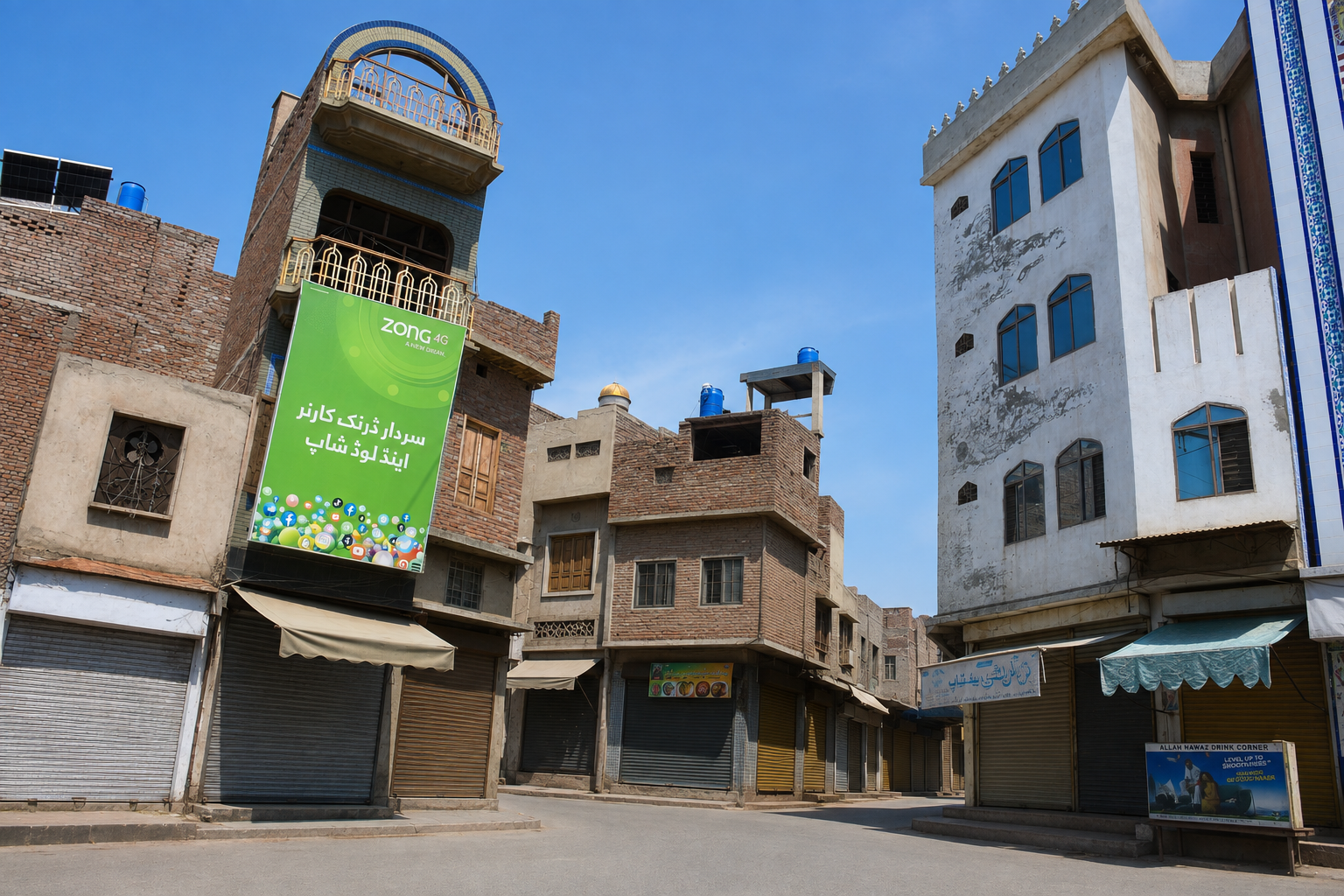
Pak Gate remains an important name within the geography of historic Multan. Its surrounding urban environment offers visitors a closer look at the traditional street pattern and community character of the old city. This gate named Pak Gate not due to Pakistan, but because of the Saint Hazrat Musa Pak Shaheed. When he died on 33rd Shahban 1010 H, Firstly he was buried in Uch Shareef near his Father Syed Hamid Gunj Buksh. Then when his son saw his Grand Father in Dream Instructing him to get Musa out from his foot side, then he was buried again at “Moza Mungay Hatti”. After 15 years his son have another dream who lives in Multan to give Musa back to Multan. Your followers have full faith on you. So, they bring you to Multan. The Gate used to bring your body at that time is still called Pak Gate. 300 feets inside Pak Gate you will find the Mazar of Hazart Musa Pak Shaheed.
Visitor Guidelines
Dress modestly and respectfully
Follow instructions from site custodians
Remove footwear where requested
Avoid disturbing worshippers
Ask before photographing people
Keep noise to a minimum
Explore the Gallery
View architectural details, tile patterns, historic views, the surrounding precinct and changing light across the monument.
Book a heritage walk
Guided walks cross historic gates, sacred shrines, and narrow bazaars. Stories hide in the walls and wait in the streets.
OPERATIONAL SCOPE
What We Do
Promote awareness of Multan’s heritage
Support conservation and documentation
Develop visitor information and heritage routes
Highlight traditional crafts and living culture
Encourage responsible cultural tourism
Share research and educational material
Promote community participation
Preserve stories, memories and cultural knowledge
Our Impact
By connecting cultural heritage with tourism, research, education and community
engagement, Walled City Multan aims to strengthen public appreciation for the historic city and encourage its long-term protection.