HISTORIC FORTIFICATIONS

Walled City Multan

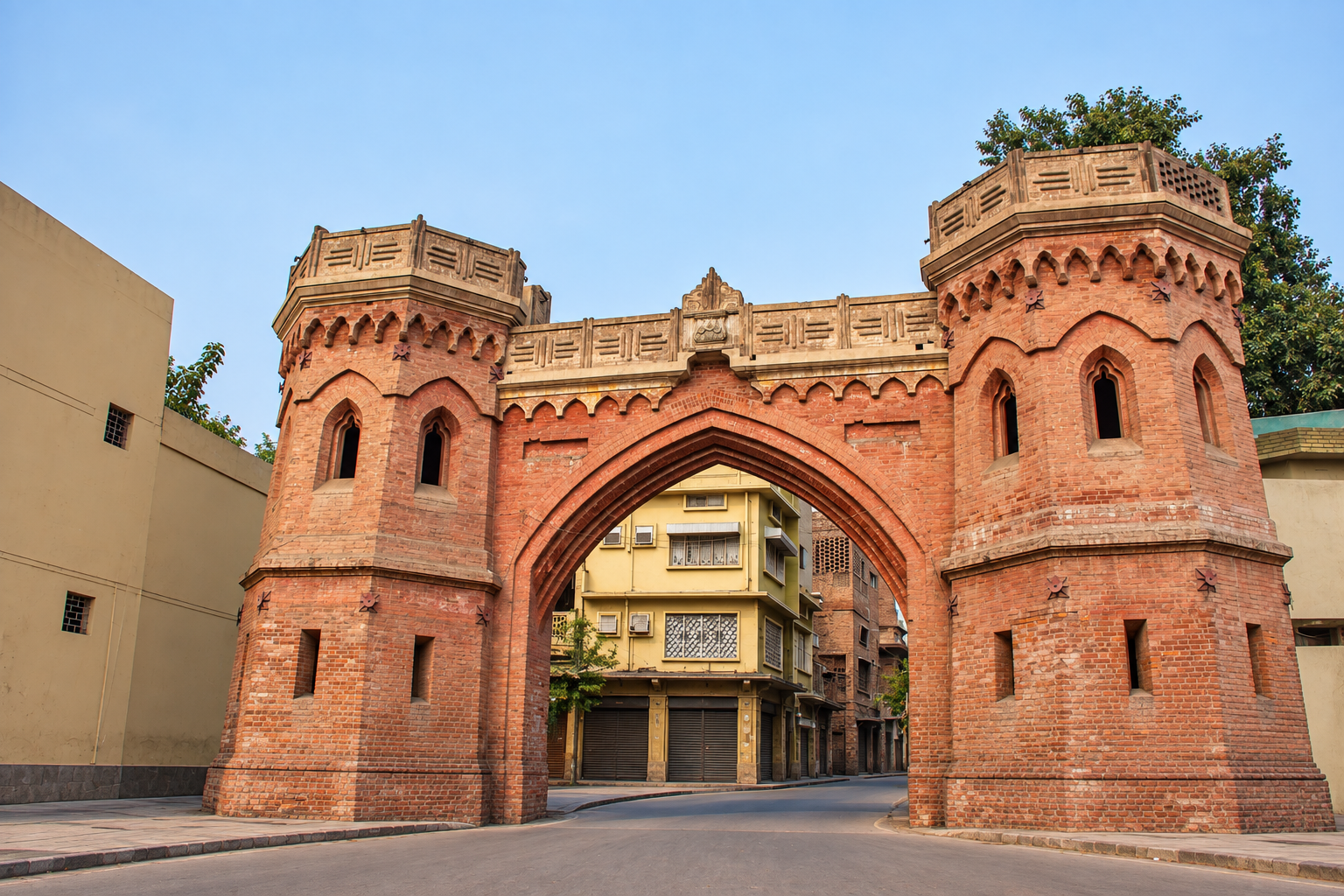
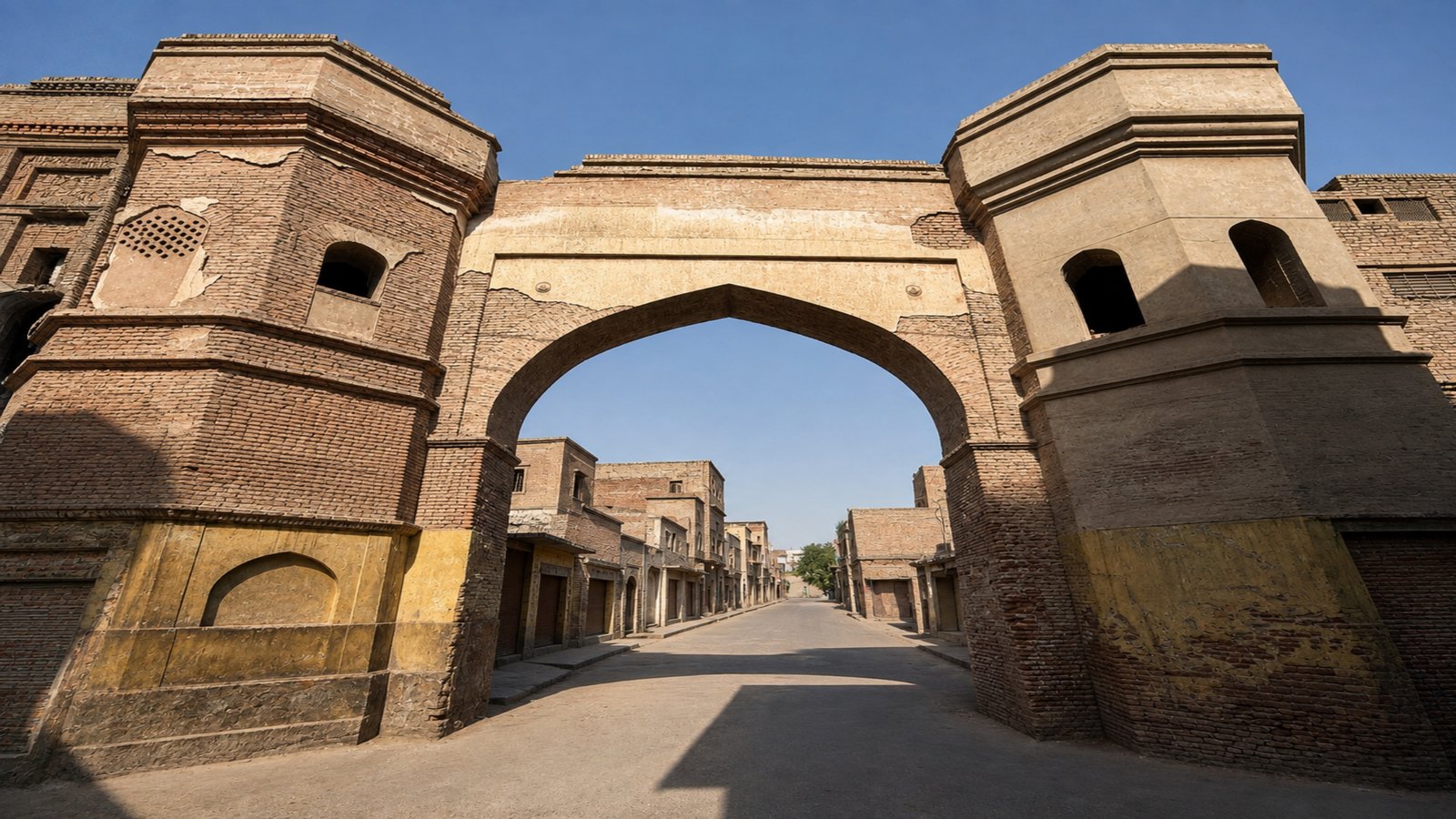
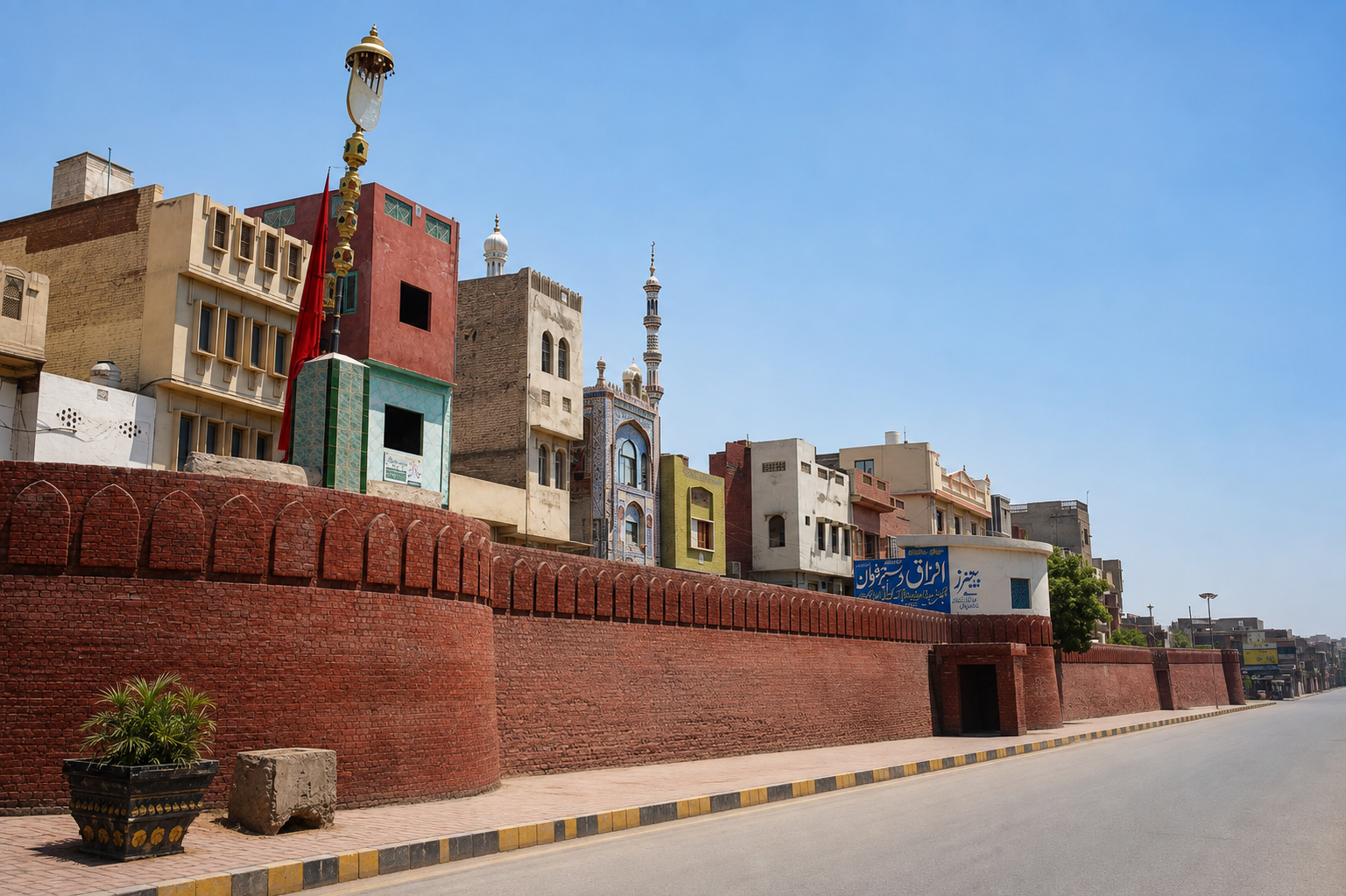
Faseel-e-Multan

 An ancient wall encircling the old city, built and rebuilt throughout centuries of battles. The current wall dates back to 1756 AD and is being rehabilitated under the Walled City Project. It stands as a testament to the resilience and strategic importance of the City of Saints.
Key Event: The breach near Haram Gate used by British troops during the Siege of Multan.

The Six Historic Gates

Guardians of the walled city, each holding stories of commerce, conflict, and culture.

Haram Gate

The site of the infamous breach during the Siege of Multan. A gate of immense historical weight.

Bohar Gate

Named after the ancient Banyan (Bohar) trees that once provided shade to weary travelers.

Lohari Gate

Named for the ironsmiths (Lohars) who historically resided near it. A bustling hub of trade.

Daulat Gate

The gate of wealth, historically located near the city’s main bazaars and financial districts.

Delhi Gate

Facing east towards Delhi, this was traditionally the route taken by royal entourages.

Pak Gate

Named after the ancient Banyan (Bohar) trees that once provided shade to weary travelers.

HISTORIC FORTIFICATIONS

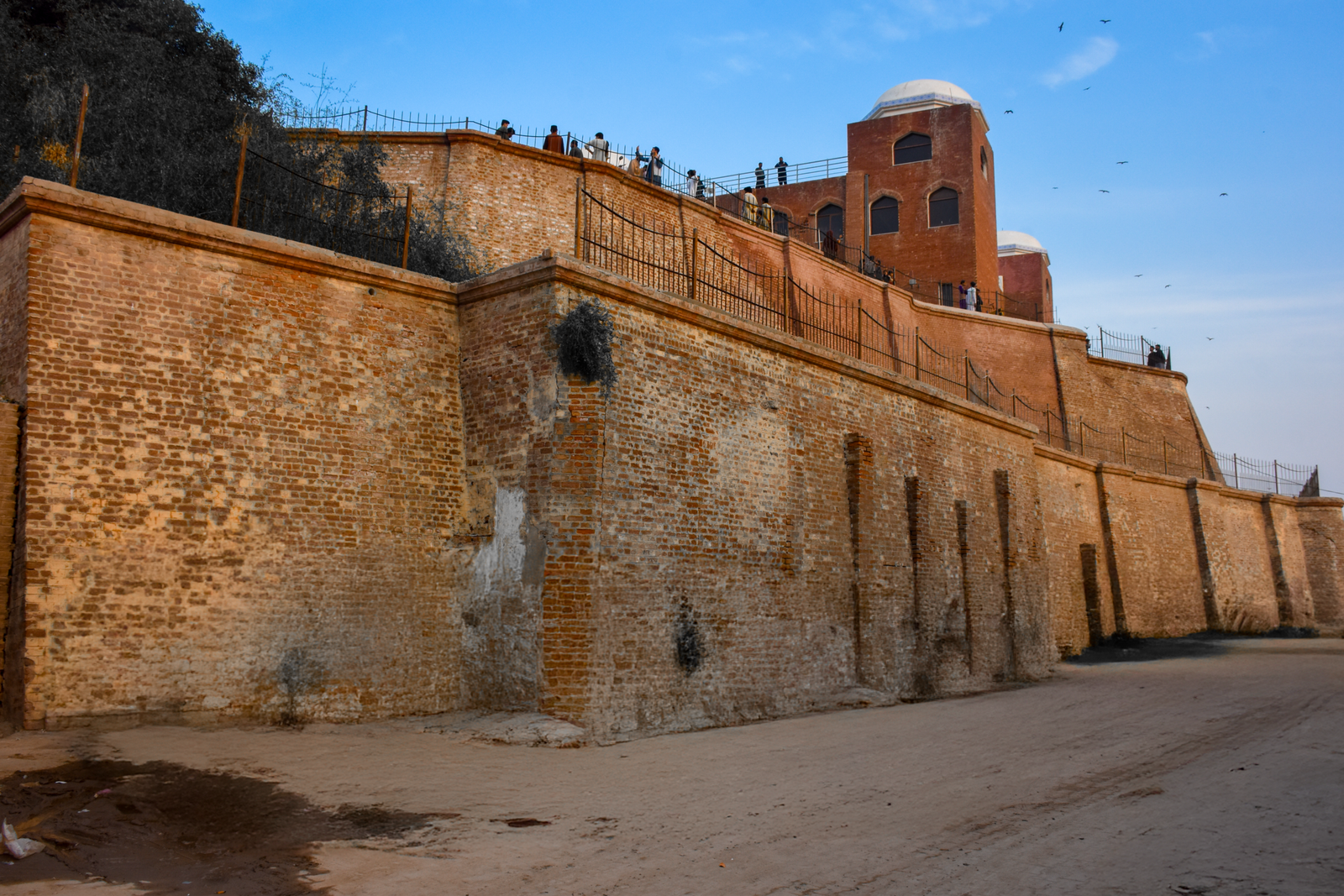
The Bloody Bastion

 Located between Pak Gate and Delhi Gate, the Bloody Bastion holds a grim yet significant place in Multan’s history. It earned its name during brutal sieges where defense of the city was fiercest.
Today, it stands as a solemn reminder of the sacrifices made to protect the City of Saints.
Book a heritage walk

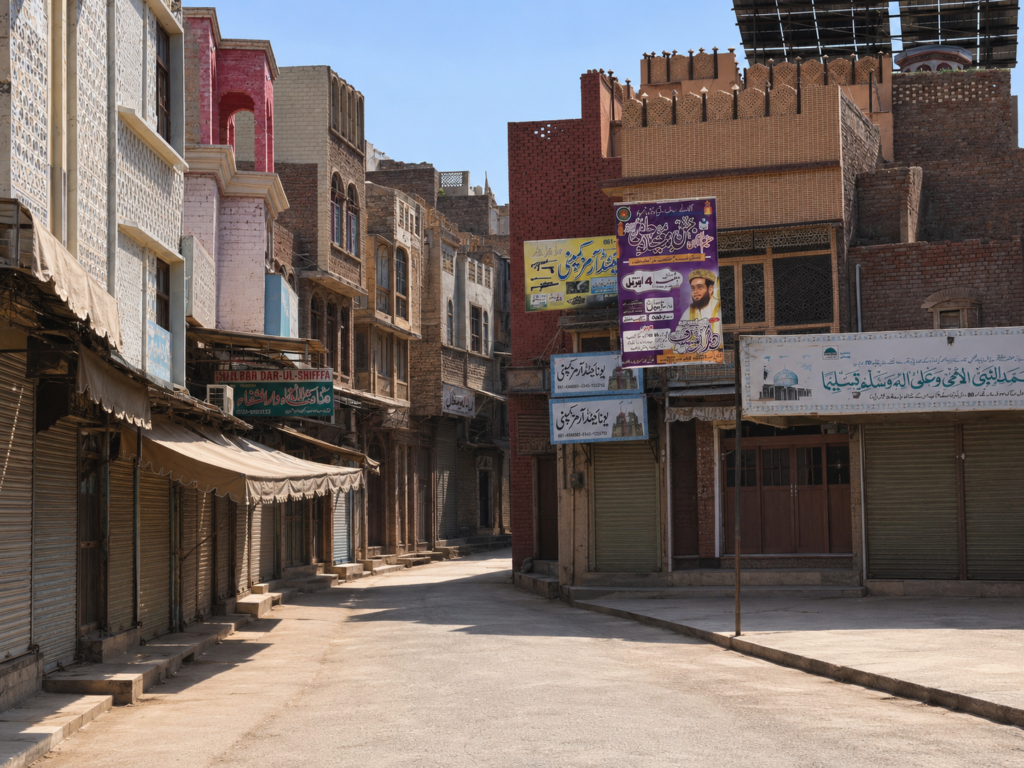
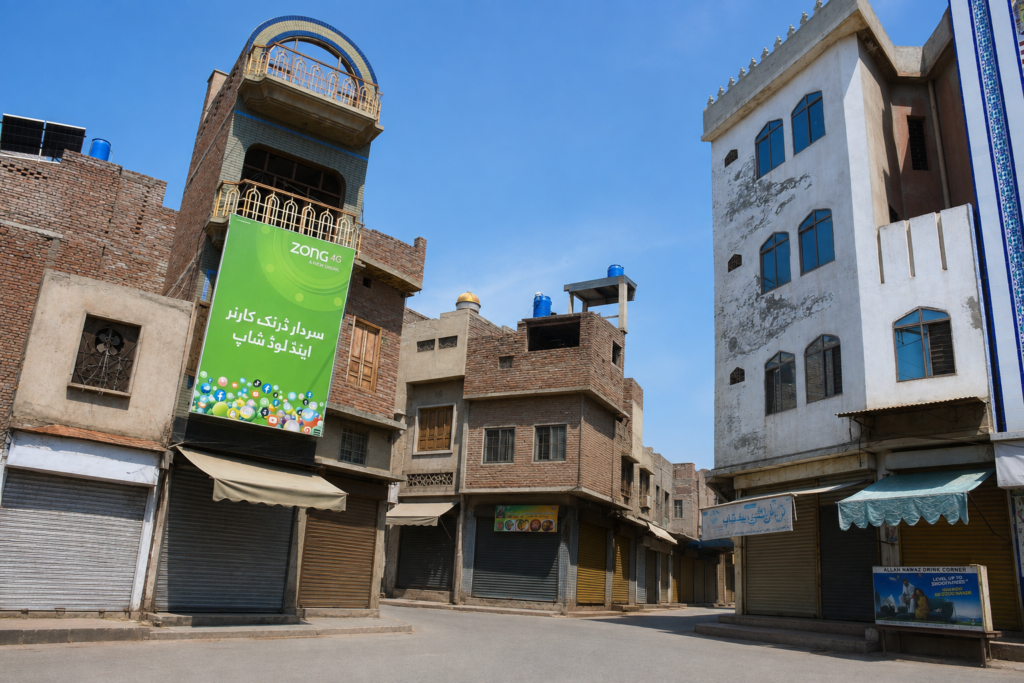
Guided walks cross historic gates, sacred shrines, and narrow bazaars. Stories hide in the walls and wait in the streets.